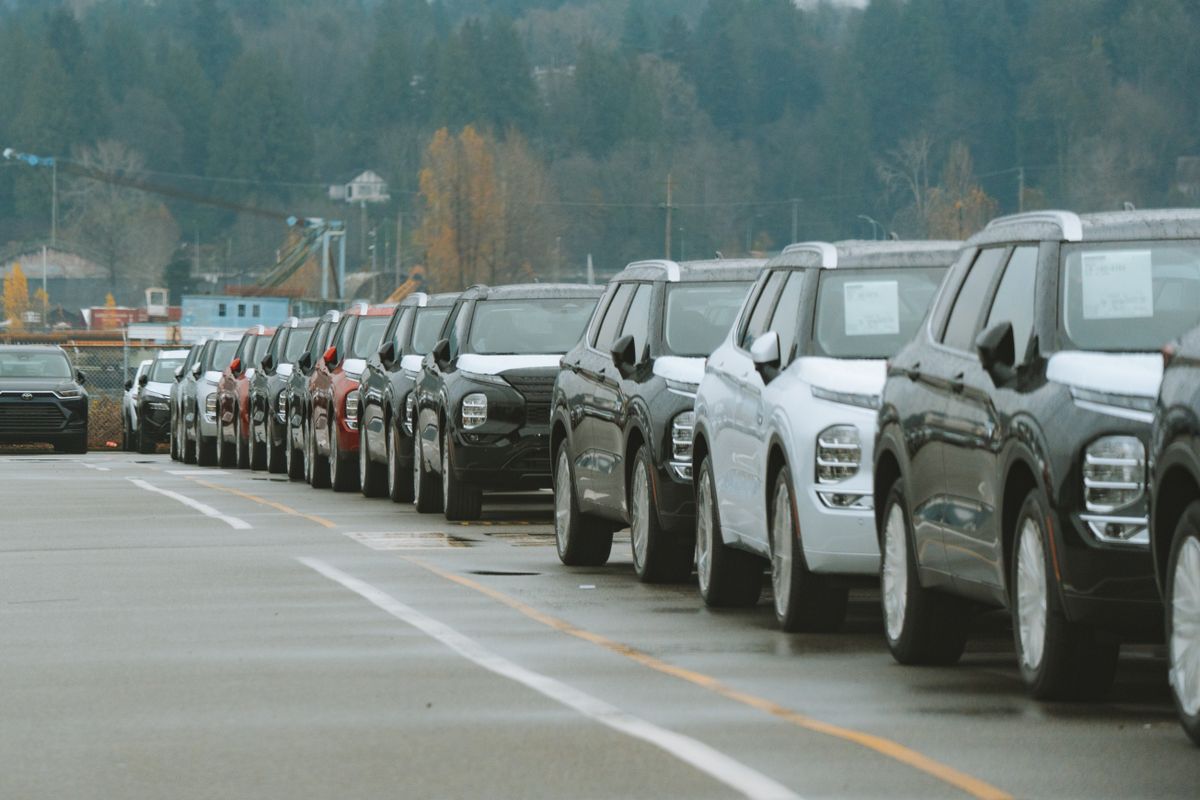
The carrier's cargo insurance generally covers damage that happens during transport, and the Bill of Lading inspection at pickup and delivery is what documents it. Personal belongings left in the car and damage that existed before pickup are generally not covered, so photograph the vehicle and note every issue before signing.
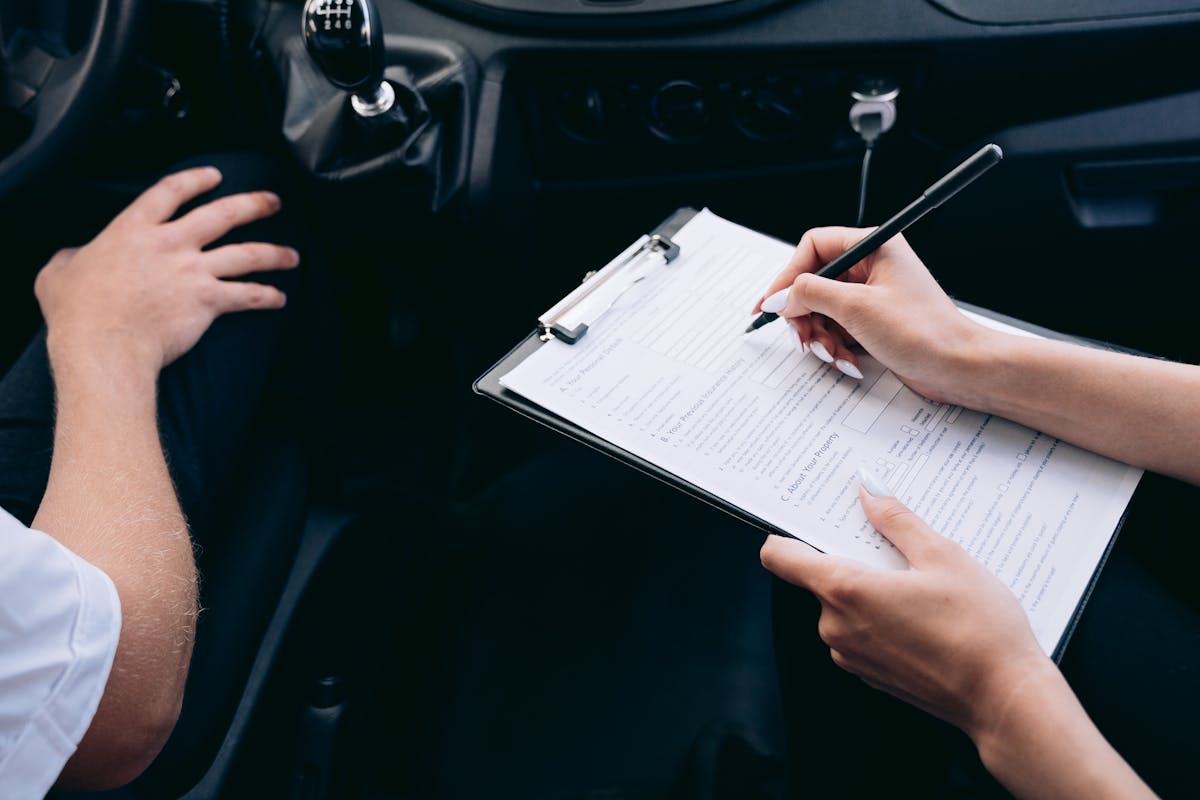
Most car owners ask the same question before shipping: what happens if the car is damaged? Transport damage is uncommon, but the answer depends on who carries which insurance, what the policy covers and what the owner documents at pickup and delivery. Knowing the rules in advance makes any claim far easier.
Who Carries What
Two different things are often confused. A freight broker, which is the company that arranges the shipment, must hold a federally required $75,000 surety bond as a condition of its FMCSA authority. That bond is a financial guarantee tied to the broker's obligations. It is not the insurance that pays for vehicle damage.
The carrier, which owns the truck and employs the driver, carries cargo insurance that applies to the vehicles being hauled. When damage occurs in transit, the claim typically goes against the carrier's cargo policy. Because coverage amounts and terms vary by carrier, the certificate of insurance is the document to ask for.
What Is Typically Covered
- Damage during transport: Scratches, dents, broken glass or other damage caused while the vehicle was loaded, hauled or unloaded.
- Accidents involving the carrier: Damage resulting from a collision or incident involving the truck.
What Is Typically Not Covered
- Personal belongings: Items left inside the car are generally excluded and may also add weight beyond what the carrier allows. Removing them is the standard advice.
- Pre-existing damage: Damage already on the car at pickup is not the carrier's responsibility, which is why documenting the condition matters.
- Mechanical or electrical problems: Issues unrelated to how the car was handled, such as a battery that fails or a part that wears out, are usually excluded.
- Events outside the carrier's control: Terms vary on weather and similar causes, so reading the policy language is worthwhile.
The Bill of Lading Is the Key Document
The Bill of Lading is both the shipping contract and the inspection record. At pickup, the driver notes the vehicle's condition on it, usually on a diagram of the car. The owner or a designated person signs to agree with that record. At delivery, the same process runs in reverse.
The most important habit is to inspect the car at delivery before signing. A signed report that lists no new damage generally makes a later claim much harder to support. If something is wrong, note it on the Bill of Lading, take photographs and have the driver acknowledge it before signing.
How to Protect Yourself at Pickup
- Wash the car so existing marks are visible in photos.
- Photograph every side, the roof, the wheels, the interior and the odometer, with date stamps if possible.
- Remove personal items and any loose accessories.
- Check the Bill of Lading against what the photos show before signing.
- Keep your copy of every document the driver gives you.
If Damage Happens
Note it on the Bill of Lading at delivery, photograph it, and contact the broker and the carrier promptly. Carriers generally have their own claim procedures and time limits, so read the terms in the paperwork. The usual sequence is documentation, a written claim, an assessment of the damage, such as a repair estimate, and then resolution through the carrier's insurer.
Verifying a Carrier's Insurance
The FMCSA SAFER database shows whether a carrier holds active authority and has insurance on file. Look up the carrier's MC or USDOT number before the truck arrives. A broker should be able to provide the carrier's details and a certificate of insurance on request. The scam-avoidance guide explains the lookup step by step.
Your Own Auto Policy
Some personal auto policies extend coverage to a vehicle in transit, and some do not. Because policies differ, a call to the insurer before shipping settles the question and avoids a surprise later.
Frequently Asked Questions
Is my car insured during shipping?
The carrier's cargo insurance generally applies to the vehicle while it is in transit. Coverage amounts and terms vary by carrier, so the certificate of insurance is the document to request and verify before pickup.
Are personal items covered?
Generally no. Items left inside the vehicle are usually excluded from cargo coverage, and carriers may also limit them because of weight rules. Removing personal belongings before pickup is the standard recommendation.
What if I notice damage after signing the Bill of Lading?
A claim becomes harder to support once the delivery report is signed without any notation. Damage found afterward may still be reported, but the carrier's insurer will rely heavily on what the paperwork says. Inspecting the car carefully at delivery before signing is the best protection.
Does my own auto insurance cover shipping?
It depends on the policy. Some personal policies cover a vehicle in transit and others exclude it. Contacting the insurer before shipping gives a definite answer for that specific policy.
How do I verify a carrier's insurance?
Look up the carrier's MC or USDOT number in the FMCSA SAFER database to confirm active authority and insurance on file. Brokers can also provide a certificate of insurance on request. A carrier with lapsed or missing coverage is a reason to ask for a different one.