
Non-Running Vehicle ShippingWinch & Flatbed Equipped
Not every carrier has winch or flatbed equipment — and sending the wrong one wastes your time and risks adding damage. We confirm your vehicle's condition first, then specifically match it with a carrier equipped for non-running loads before pickup.
The price we quote reflects your vehicle's actual condition and the equipment required. No surprises at pickup, no carrier showing up unprepared.
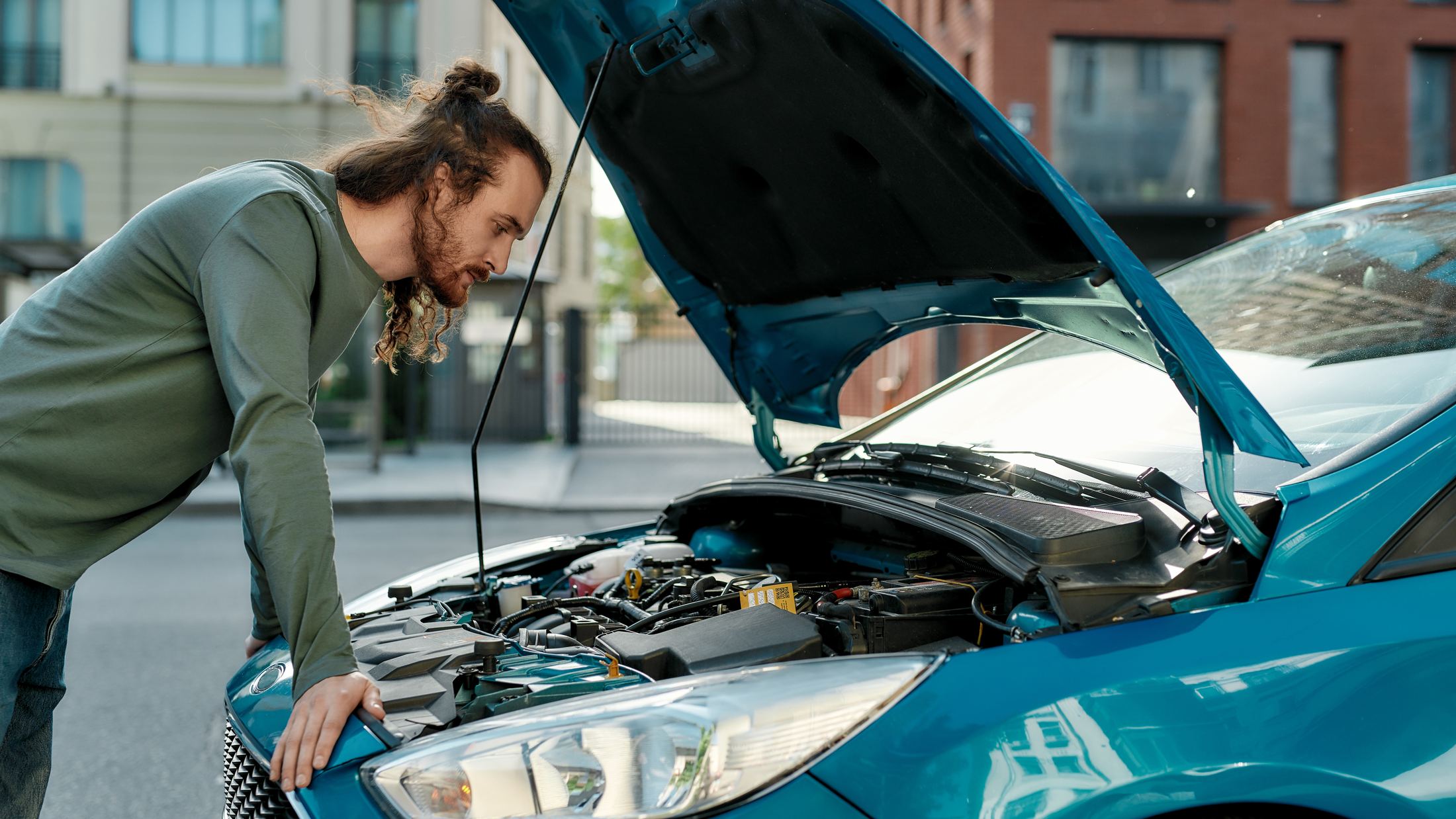
Specialized loading equipment
Winch, dolly, and flatbed configurations
How Non-Running Vehicles Are Loaded and Transported
Standard car carriers require vehicles to be driven onto the trailer under their own power. Non-running transport bypasses that requirement using specialized equipment matched to the vehicle's specific condition.
Vehicles that roll and steer but won't start can typically be winch-loaded onto a standard open carrier. Vehicles that don't roll at all require dollies placed under the wheels so the vehicle can be moved without dragging. Vehicles with severe damage may require a dedicated flatbed with a loading ramp or forklift capability.
The key is matching the right equipment to your vehicle's actual condition before the carrier arrives. A carrier that shows up without the right gear can't safely load the vehicle — which is why we ask detailed condition questions upfront.
Which Vehicles We Transport and What We Need to Know
We transport any vehicle that isn't currently roadworthy — broken-down cars waiting for repair, flood or storm-damaged vehicles, post-accident vehicles, project cars mid-restoration, vehicles with engine or transmission failures, and salvage-title vehicles changing hands.
Before quoting, we need to know three things: does the vehicle roll freely when pushed? Does it steer? Do the brakes hold? A vehicle that answers yes to all three — even if it won't start — can typically be handled with standard winch loading. A vehicle that doesn't roll requires more specialized equipment and may cost more.
We also need to know about any missing body panels, exposed frame damage, or low-clearance conditions that would affect how the vehicle is approached for loading. The more accurately you describe the condition, the better we can match the right carrier.

Condition assessment before pickup
Right equipment matched to your vehicle

Pre-existing damage documented
Protects you from claims on prior condition
Why Condition Documentation Matters More for Non-Running Vehicles
Non-running vehicles often have pre-existing damage that needs to be documented accurately before transport. Without a thorough condition report at pickup, any damage present at delivery — whether it happened during transport or before — becomes a dispute.
Our carriers complete a detailed condition report and photograph the vehicle from multiple angles before loading. For non-runners, this includes noting specific damage areas, missing components, and any conditions that affect the vehicle's structural integrity.
Every carrier we book holds active cargo insurance. If transport-related damage occurs — distinct from pre-existing condition — the documented baseline provides the basis for a clean insurance claim.
What Our Customers Say
“shipped my 67 mustang from cali to florida and honestly didnt expect it to go this smooth. car showed up no scratches, driver was cool, kept me updated the whole way. will definitely use again”
Why Customers Choose American Auto Link for Non-Runners
Non-running transport requires more than a standard booking — it requires the right equipment match and carrier experience. Here's what we deliver.
Equipped for Any Condition
Our carriers bring winches, dollies, and flatbed equipment to handle vehicles that don't roll, steer, or start. No running vehicle requirement.
Winch & Forklift Loading
Completely immobile vehicles can be loaded using winch extraction or forklift lift equipment, depending on vehicle configuration and clearance.
No Additional Damage
Proper non-running loading equipment is essential to avoid damage during extraction. We only book carriers with the right tools for your vehicle's specific condition.
Any Destination
We can transport non-running vehicles to repair shops, body shops, auction houses, salvage yards, storage facilities, or private addresses nationwide.
All Vehicle Types
Broken-down sedans, flood-damaged vehicles, project cars, inoperable trucks — if it has wheels, we can transport it regardless of whether it runs.
Transparent Condition Reporting
Non-running vehicles often have pre-existing damage. Our condition reports accurately document the vehicle's state before loading to protect you at delivery.
Booking Your Non-Running Vehicle Shipment
Four steps from quote to delivery. We handle the equipment matching and carrier coordination.
Get Your Free Quote
Tell us the vehicle's condition — whether it rolls, steers, and brakes. This determines which loading equipment the carrier needs to bring.
Carrier Matching
We match your vehicle with a carrier equipped for non-running transport — winch, forklift, or flatbed configuration depending on the vehicle condition.
Specialized Pickup
The carrier arrives with the right equipment to safely load a non-running vehicle without causing additional damage. Photos document condition before loading.
Delivery & Handoff
Your vehicle is unloaded at the destination — whether a repair shop, storage facility, or private address — and condition is documented at delivery.
What Affects Non-Running Transport Pricing
Non-running transport adds a surcharge to standard rates based on the equipment and handling required. The more limited the vehicle's mobility, the higher that surcharge.
Get your quote in about 60 secondsCondition Type
Vehicles that roll and steer but don't start cost less than fully immobile vehicles. The more limited the mobility, the more specialized the equipment required.
Loading Equipment Needed
Standard winch loading is common for most non-runners. Forklift loading, required for completely immobile or low-clearance vehicles, carries an additional charge.
Distance
Non-running transport rates follow standard distance pricing with a non-running surcharge applied based on condition assessment.
Vehicle Size & Weight
Heavy trucks, vans, and large SUVs require more loading capacity. Oversized vehicles may require a specialized flatbed-only configuration.
Access & Location
Narrow driveways, steep grades, or locations with limited equipment access can affect the cost and timeline of pickup.
Destination Type
Shop deliveries, residential deliveries, and salvage yard deliveries each have different access requirements that may affect carrier selection.
Why Choose American Auto Link?
Non-running transport goes wrong when the wrong carrier shows up with the wrong equipment. We prevent that with upfront condition assessment and proper carrier matching.
Vetted Carrier Network
Every carrier is FMCSA-licensed, insured, and confirmed to have the right equipment for your vehicle's specific condition.
Dedicated Coordination
A real team assesses your vehicle's condition and manages the transport. We don't book blindly — we match correctly.
Nationwide Reach
Non-running carrier coverage across 48 contiguous states, including areas with limited standard carrier access.
Transparent Pricing
The non-running surcharge is clearly stated in your quote. No surprise fees when the carrier arrives at your location.
Not sure if your vehicle qualifies? Tell us its condition.
We'll ask the right questions and tell you exactly what equipment is needed and what it will cost. No guesswork, no surprise charges on the day of pickup.
Non-Running Transport Questions
Common questions about shipping inoperable vehicles. If yours isn't here, our team can answer it directly.
(832) 346-3497No — and this matters. Not every carrier has winch or forklift equipment. We confirm your vehicle's condition first, then specifically match it to a carrier equipped for non-running loads. Sending a standard carrier to a non-runner wastes time and risks damage.
Yes. Vehicles that don't start but roll and steer can be loaded using standard winch procedures. Fully immobile vehicles require winch extraction or flatbed equipment with dollies. Tell us your vehicle's condition when quoting so we can confirm the right carrier.
We need to know: does the vehicle roll freely? Does it steer? Do the brakes work? Is it complete (or are there missing parts that affect loading)? This helps us match the right carrier equipment to your vehicle's specific condition.
Using the correct equipment, loading a non-running vehicle causes no damage. The risk comes from using the wrong equipment or forcing a vehicle that requires specialized handling. Our carriers are equipped and trained for non-running loads.
Yes. We transport salvage, flood-damaged, and accident-damaged vehicles. We need to know the vehicle's specific condition to confirm the right loading method. Some heavily damaged vehicles may require flatbed-only transport.
Yes. Carrier cargo insurance covers non-running vehicles the same as any other shipment. The condition report at pickup is especially important for non-runners, as pre-existing damage needs to be documented before loading.
Ready to Ship Your Non-Running Vehicle?
Get a non-running transport quote in minutes. Tell us your vehicle's condition and we'll confirm the right equipment, pricing, and booking timeline.