
Open Car TransportQuote & Ship
Carrier capacity is tighter in 2026 than it's been in years — most brokers quote a window and hope. We work our carrier network in real time, matching your vehicle with a carrier already near your location rather than posting to a load board and waiting.
The price we quote is the price you pay. No bait-and-switch, no post-booking surprises. Open transport is still the most affordable, fastest-pickuping method for the vast majority of vehicles.
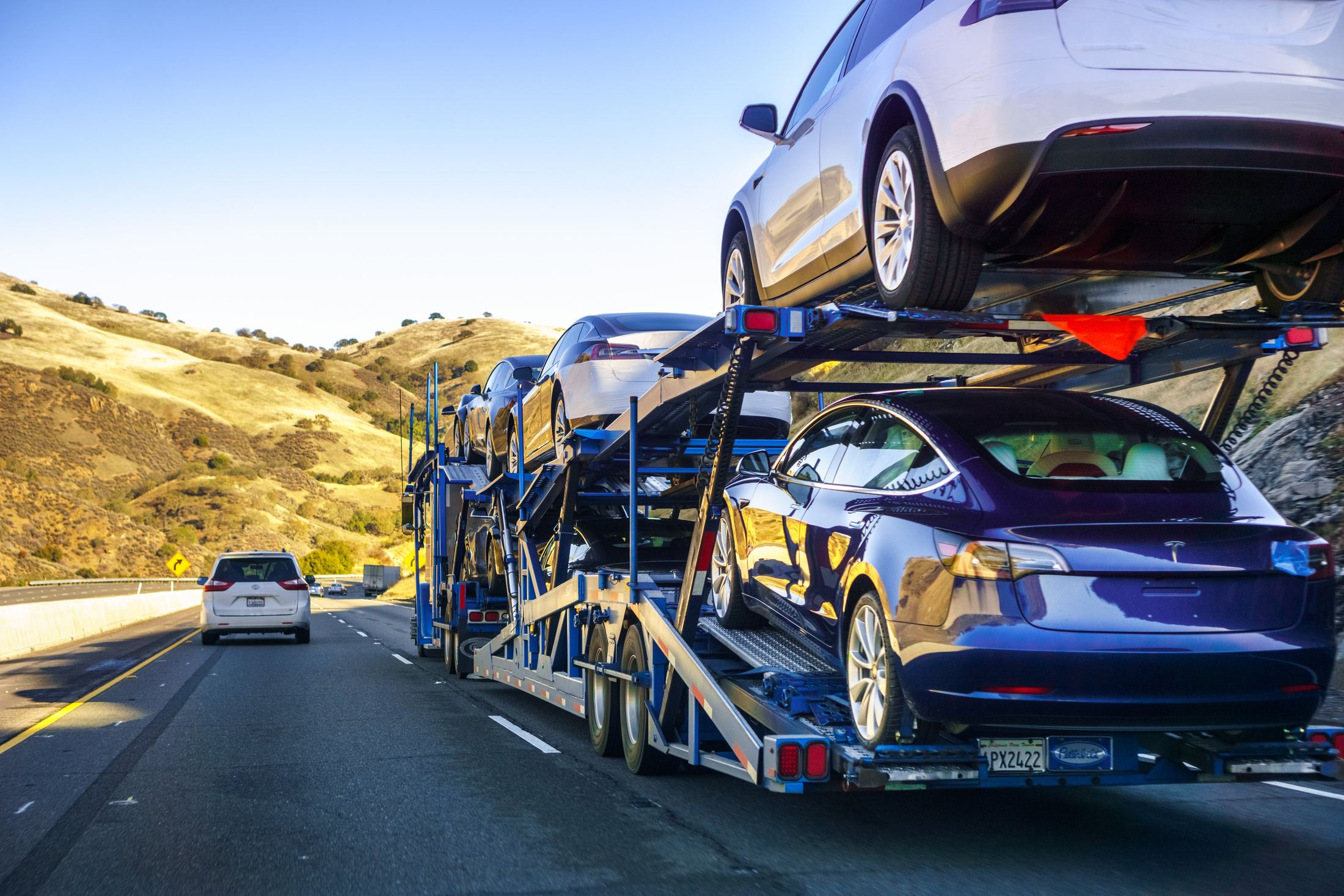
7–10 vehicles per trailer
Multi-level open-air carrier configuration
What Happens When Your Car Gets on an Open Carrier
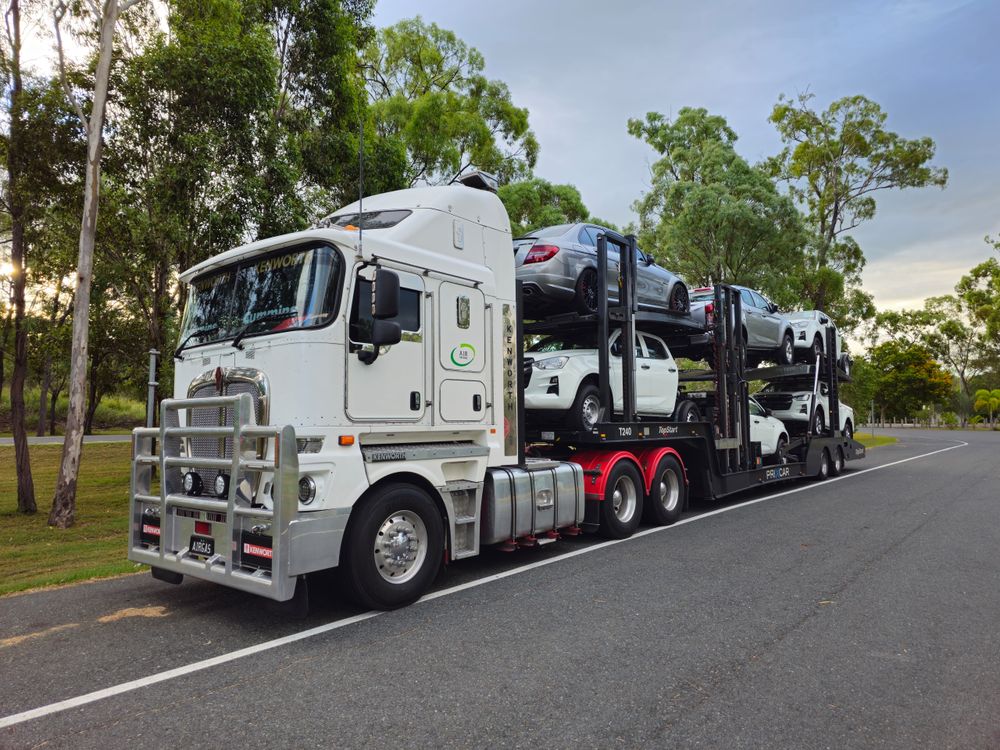
An open carrier is a multi-level, open-air trailer — the long double-decker trucks you see loaded with cars on the interstate. Each trailer holds between 7 and 10 vehicles at once, positioned on two levels using hydraulic ramps that allow loading regardless of vehicle height.
Vehicles are driven onto the carrier and secured using wheel straps — heavy-duty, ratchet-style restraints attached to each wheel. Additional tie-downs are applied per DOT regulations. The vehicle doesn't move once it's loaded. This is the identical system automakers use to deliver new cars to every dealership in the country.
A condition report with photos is completed at both pickup and delivery, documenting the vehicle's state. This report is your protection — any discrepancy between the two is what triggers a carrier insurance claim.
How Multi-Vehicle Trailers Drive Prices Down
The economics of open transport are straightforward: a single driver operating a single truck can move 7–10 vehicles in one trip. The fixed costs of that trip — fuel, driver pay, insurance, tolls — get divided across every vehicle on the trailer.
Enclosed carriers typically hold only 2–6 vehicles, and the trailer itself costs significantly more to operate. That smaller payload and higher overhead is why enclosed transport runs 40–60% higher than open rates for the same route.
Because open carriers are so common — making up over 90% of the active transport fleet — there's also significantly more market competition on popular routes. That competition keeps pricing transparent and gives customers multiple carrier options to choose from.

Shared trip, divided cost
Fuel, driver, and insurance split across all vehicles
Active cargo insurance on every shipment
FMCSA-verified carriers only
Is Open Transport Safe? Here's What Actually Protects Your Vehicle
Open transport is safe for the vast majority of vehicles. The exposure to weather and road conditions during transit is comparable to driving the vehicle on the highway for the same distance — with the added benefit that a professional is securing, loading, and monitoring it the entire time.
What protects your vehicle is a combination of secure loading practices and mandatory carrier insurance. Every carrier operating legally in the US must carry cargo insurance as a condition of their FMCSA operating authority. Before we book any carrier, we verify their insurance is active and their authority is in good standing.
The condition report at pickup is the critical document. It creates a written and photographic baseline. At delivery, if anything doesn't match — that report is your basis for a claim. The process is established, documented, and enforced through the carrier's insurance policy.
What Our Customers Say
“shipped my 67 mustang from cali to florida and honestly didnt expect it to go this smooth. car showed up no scratches, driver was cool, kept me updated the whole way. will definitely use again”
Why Customers Choose Open Transport
Open transport is the default choice for a reason. It combines affordability, carrier availability, and proven reliability into the industry's most practical shipping solution.
Most Affordable Option
Open transport consistently delivers the lowest rates in vehicle shipping. Carriers fit multiple vehicles on one trailer, distributing costs across shipments — savings passed directly to you.
Widest Carrier Availability
Open carriers make up over 90% of the vehicle transport fleet in the US. More carriers means more competition, better pricing, and faster pickup windows on virtually every route.
Faster Pickup Windows
Because open transport is so prevalent, pickup availability is typically 1–3 business days from booking on most major routes — significantly faster than enclosed alternatives.
Suitable for Most Vehicles
Sedans, SUVs, trucks, minivans, crossovers — open transport handles them all. It's the same method automakers and dealers use to move millions of new vehicles nationwide every year.
Professionally Secured
Vehicles are wheel-strapped and secured with industry-standard tie-downs on every carrier we book. The same methods used to ship new cars from factories.
Proven Track Record
Open transport has been the dominant shipping method for decades. It's a trusted, well-understood process — not an experiment. Millions of vehicles shipped safely every year.
Open vs. Enclosed Transport
Both methods use professional carriers with insurance coverage. The difference comes down to cost, availability, and the level of protection your vehicle requires.
Not sure which is right for your vehicle?
Our team will recommend the best option based on your vehicle type and route.
Booking Your Open Transport Shipment
Four straightforward steps from quote to delivery. We handle the carrier coordination — you just hand over the keys.
Get Your Free Quote
Fill out our online form in under two minutes. Receive a transparent, itemized price estimate for your route with no hidden fees.
Confirm & Schedule
Choose your pickup window and lock in your booking. We coordinate with our vetted open carrier network so you don't have to.
Vehicle Pickup
A licensed carrier arrives at your address, photographs your vehicle's condition, and secures it to the trailer using industry-standard wheel straps.
Delivery & Handoff
Your vehicle arrives at the destination address. Inspect against the condition report, confirm everything is right, and sign off on delivery.
What Affects Open Transport Pricing
Open transport rates are driven by a predictable set of market factors. Understanding them helps you get an accurate quote and interpret price variations across routes.
Get your quote in about 60 secondsDistance
Longer routes cost more overall but less per mile. Cross-country open transport is often the most cost-effective way to move a vehicle long distances.
Vehicle Size & Type
Compact sedans cost less than large trucks or SUVs. Oversized or lifted vehicles may require special positioning on the carrier.
Route Popularity
High-traffic corridors between major metros have strong carrier competition, which typically drives open transport rates down.
Pickup Flexibility
Flexible pickup dates give carriers more scheduling options — often resulting in better pricing compared to fixed date requirements.
Season & Demand
Snowbird seasons, summer moves, and end-of-quarter dealer shipments can tighten carrier capacity and push rates higher temporarily.
Urban vs. Rural
Metro areas have the densest carrier coverage. Rural or difficult-access locations may involve a small supplement or terminal pickup option.
Why Choose American Auto Link?
We've built our carrier network on vetting, transparency, and consistent execution. Every open transport booking goes through the same rigorous booking process.
Vetted Carrier Network
Every carrier is FMCSA-licensed, insured, and verified before we book them for a customer shipment. No shortcuts.
Dedicated Coordination
A real team manages your shipment from booking through delivery. Questions get answered — not routed to a bot.
Nationwide Reach
Our open carrier network spans 48 contiguous states, connecting every major metro, suburb, and rural destination.
Transparent Pricing
Your quote reflects real costs. No hidden fees, no bait-and-switch. We communicate every step clearly.
Every carrier we book is FMCSA-verified.
We check licensing, insurance, and operating authority before connecting any open carrier to a customer shipment. Your vehicle moves with professionals — not unknowns.
Open Transport Questions
Common questions about open car transport. If yours isn't here, our team can answer it directly.
(832) 346-3497Carrier capacity has tightened industry-wide since 2024 — driver shortages, fuel costs, and rising operating expenses have pushed base rates higher across the board. What you get from us is the actual market rate with no markup layered on top. The quote we give you is what you pay.
Yes. Open transport is how the auto industry moves the vast majority of vehicles — including brand new cars shipped from factories to dealerships. Vehicles are professionally secured with wheel straps and chains. The risk of damage is very low for standard vehicles.
Most everyday vehicles — sedans, SUVs, trucks, crossovers, minivans — are ideal for open transport. If your vehicle has a standard market value and you drive it regularly, open transport is almost certainly the right choice.
Open carriers ship multiple vehicles on an exposed multi-level trailer. Enclosed carriers use a fully sealed trailer that protects from weather and road debris. Open is more affordable and faster to book; enclosed is premium and recommended only for high-value or sensitive vehicles.
Transit times vary by distance. Regional routes (500–800 miles) typically take 2–3 days. Cross-country routes (2,000+ miles) usually take 5–8 days. Pickup on most routes is 1–3 business days from booking.
Every carrier we book carries active cargo insurance. The vehicle's condition is documented with photos at pickup and delivery. Any legitimate damage claims are filed against the carrier's insurance policy. We assist you through the process.
Ready to Ship Your Car?
Get a transparent open transport quote in minutes. American Auto Link matches you with a licensed, insured carrier — and coordinates everything from pickup to delivery.