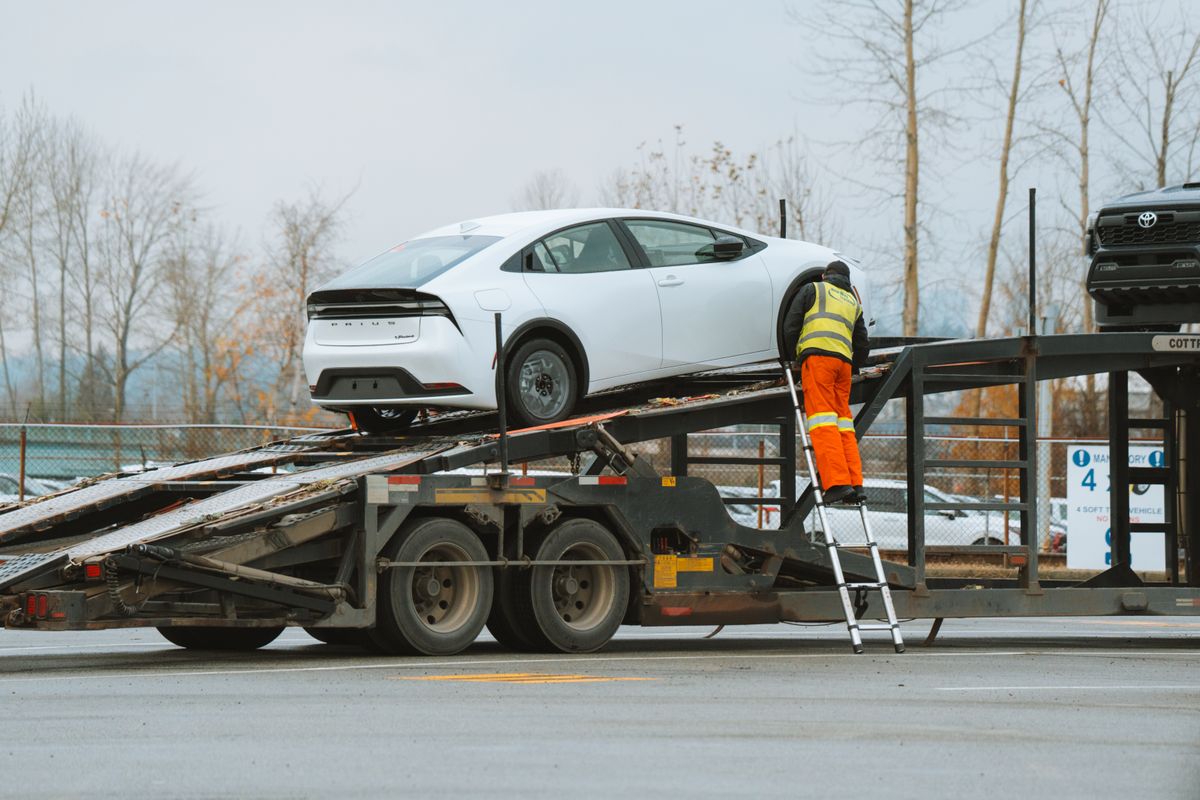
It Is More Straightforward Than It Sounds
If you have never shipped a vehicle before, the process can feel like a black box. You hand over your keys, and your car shows up somewhere else a week later. What happens in between?
Here is a clear, step-by-step walkthrough of how auto transport actually works — from getting your quote to signing off at delivery.
Step 1: Get a Quote and Book
The process starts with a quote. To price your shipment accurately, a carrier or broker needs four things: your pickup location, your delivery location, your vehicle make and model, and your preferred pickup window.
Once you have a quote you are comfortable with, you book the shipment. A deposit is typically collected at booking, with the balance due at delivery. Read the contract before you sign. Key things to confirm:
- Pickup and delivery timeframes (these are windows, not guaranteed dates)
- Insurance coverage amount
- What happens if there is a delay
- Payment method accepted at delivery (most carriers take cash or certified funds)
Step 2: Prepare Your Vehicle
You have a few days before pickup. Here is how to use that time:
Wash the car. A clean vehicle makes it much easier to document existing condition and spot any damage at delivery that was not there at pickup.
Take your own photos. Walk around the vehicle and photograph all four sides, the roof, any existing scratches or dents, and the odometer. Do this the day before or the morning of pickup, and make sure the photos are time-stamped. This is your protection if there is ever a dispute.
Remove personal items. Transport insurance covers the vehicle, not its contents. Sunglasses left in the center console, a laptop in the back seat, a camera bag in the trunk — none of these are covered if something goes missing. Clear the car out.
Keep the fuel tank low. A quarter tank is ideal. A full tank adds over 100 pounds of weight. Some carriers will refuse to load an overfull tank.
Disable your alarm. If your car alarm triggers while it is on the carrier, the driver cannot always disarm it. A dead battery at delivery is an avoidable problem.
Step 3: Pickup
The carrier driver will contact you before arriving. On pickup day, they will conduct a joint inspection of your vehicle and complete a Bill of Lading — essentially a condition report. Both you and the driver note any existing damage on this form, and you both sign it.
Keep your copy. You will compare it against the condition report at delivery.
You do not need to be present in person if you cannot be. You can designate someone you trust to hand off the vehicle on your behalf. They will need to sign the Bill of Lading in your place.
The driver loads your vehicle and it is on its way.
Step 4: Transit
Your vehicle is in transit. Most carriers provide status updates or can give you an ETA when you call. Do not expect GPS-level real-time tracking — that level of visibility is not standard in the industry yet — but a reputable carrier will communicate proactively if anything changes.
Typical transit times based on distance:
- Under 500 miles: 1 to 3 days
- 500 to 1,500 miles: 3 to 6 days
- 1,500 to 2,500 miles: 5 to 9 days
- Coast to coast: 8 to 14 days
These are typical windows. Delays happen — weather, traffic, mechanical issues on the truck. A day or two of variance is normal and not a reason to panic.
Step 5: Delivery
When your vehicle arrives, inspect it thoroughly before signing anything. Compare what you see to your pre-transport photos and your copy of the pickup Bill of Lading.
Check the entire vehicle: all four panels, the hood, the trunk, the roof, and the windshield. Look at the tires. Check the undercarriage if you can. If you notice something that was not there at pickup, note it on the delivery Bill of Lading in writing before signing.
Do not let anyone rush you through this inspection. A signed delivery receipt without noted damage makes it significantly harder to file a claim later. Take your time.
What If There Is Damage?
Legitimate transport damage is rare. When it does happen, here is the process:
- Note the damage in detail on the Bill of Lading before signing
- Photograph everything immediately, in good light
- Contact the transport company the same day
- Get a written repair estimate from a certified body shop
- File a formal claim with the carrier’s insurance
Do not repair the vehicle before the claim is resolved. The insurance adjuster needs to see the damage in its original state.
Common Questions
Do I need to be there for pickup and delivery? No. You can designate a trusted person at either end. They will need to sign the Bill of Lading.
Can I put items in the car? Some carriers allow a small amount of personal items in the trunk, typically under 100 pounds, at their discretion. These are not covered by insurance. Never leave valuables.
What if my car does not run? Non-running vehicles can be transported. They require special loading equipment and usually cost $150 to $300 more. Disclose this before booking.
How do I pay? The deposit is usually paid by credit card at booking. The balance is typically paid in cash or certified funds to the driver at delivery. Confirm the payment method when you book.