Luxury and classic cars should ship in enclosed transport — a fully covered trailer that protects against weather, road debris, and exposure during transit. Enclosed transport costs 40–60% more than open carrier but uses specialized equipment and experienced operators who handle high-value vehicles regularly. Book enclosed shipments further in advance than standard transport, as enclosed carrier availability is limited; on popular routes, demand for covered trailers often fills weeks ahead.
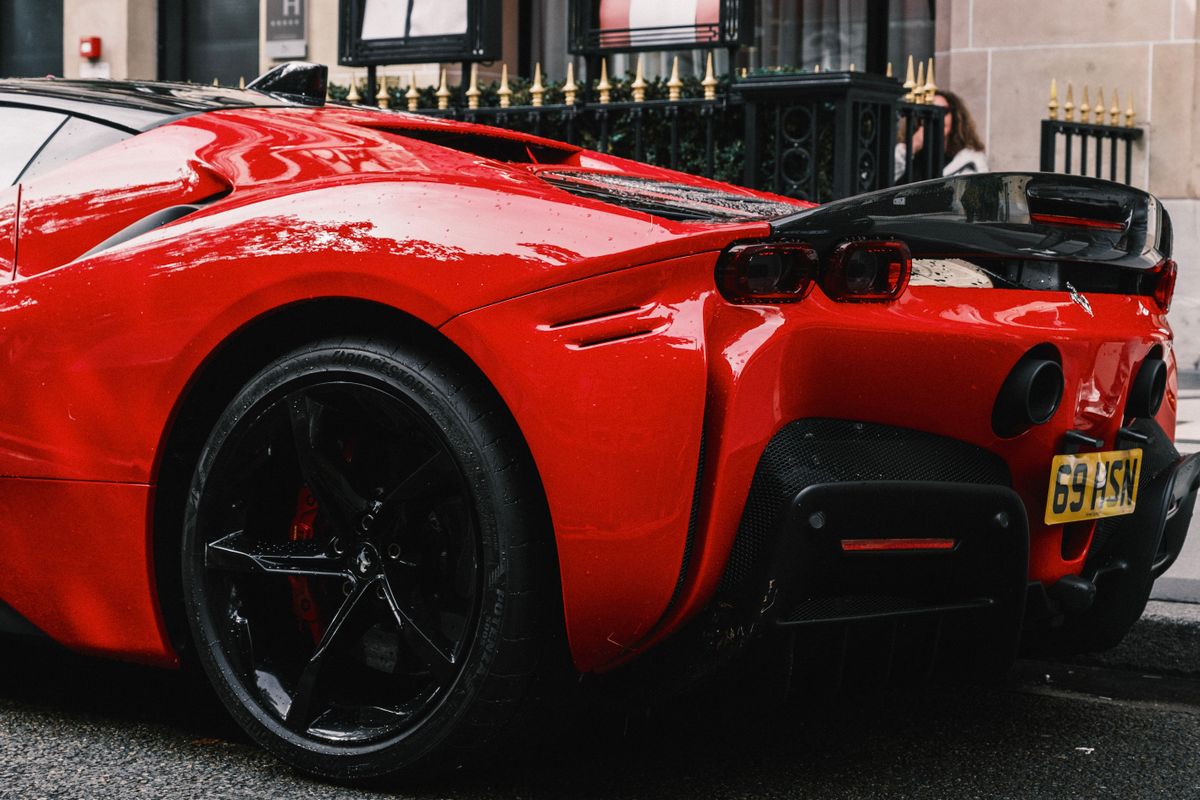
Not every vehicle should ride on an open carrier. If you're shipping a luxury sedan, exotic sports car, classic muscle car, or high-value collector vehicle, enclosed transport is the standard — not an upgrade. Here's what that actually means and why it matters.
What Is Enclosed Auto Transport?
Enclosed transport uses a fully covered trailer — either a hard-sided container or a soft-sided enclosed carrier — to protect vehicles from weather, road debris, and visibility during transit. Vehicles are loaded inside and remain protected for the entire journey.
Types of Enclosed Carriers
Soft-Sided Enclosed
A trailer with canvas or vinyl sides that protect from weather and debris. More common and less expensive than hard-sided. Offers good protection for most luxury vehicles.
Hard-Sided Enclosed
A fully sealed, climate-controlled container. Maximum protection. Used for ultra-high-value vehicles — Ferraris, Lamborghinis, vintage Porsches, restored classics. Climate control prevents temperature and humidity damage.
Single-Car Enclosed Trailers
For the most sensitive shipments, a dedicated single-vehicle carrier ensures your car never shares space. No loading around other vehicles, no movement during transit.
What Types of Vehicles Should Use Enclosed Transport
- Exotic and supercar (Ferrari, Lamborghini, McLaren, Porsche)
- Classic and vintage vehicles
- Custom or heavily modified vehicles
- Low-clearance vehicles (lowered suspension, ground effects)
- High-value luxury vehicles ($80,000+)
- Vehicles participating in concours or show events
What Enclosed Transport Costs
Enclosed transport typically runs 40–70% more than open transport for the same route. For a cross-country shipment, that might mean $1,400–$2,000 instead of $900–$1,200. For a vehicle worth $150,000, the premium is negligible relative to the risk of a rock chip on the hood.
Enclosed Transport Carriers: What to Look For
- FMCSA-licensed with no safety violations on record
- Cargo insurance of $500,000 or more per load
- Experience handling exotic or classic vehicles
- Soft-tie system (not wheel clamps, which can damage alloy wheels)
- References from other luxury/collector car owners
Questions to Ask Before Booking
- How many vehicles will be on the carrier at once?
- Is the trailer climate controlled?
- What type of tie-down system is used?
- What is the cargo insurance limit per vehicle?
- Can I get a single-car carrier if needed?
American Auto Link works with screened enclosed transport carriers across the country. If you're shipping a vehicle that's more than just a car, we'll match you with the right carrier for the job.