The Short Answer
Open transport is the right choice for most vehicles. Enclosed transport is worth the extra cost when you are shipping something genuinely difficult to replace — a classic car, an exotic, a high-value luxury vehicle, or anything with a custom finish you care deeply about.
If you are shipping a daily driver or a vehicle under $40,000, open transport is safe, well-insured, and used by the industry to deliver millions of vehicles every year, including every new car that rolls off a ship or rail line and gets delivered to a dealership.
How Open Transport Works
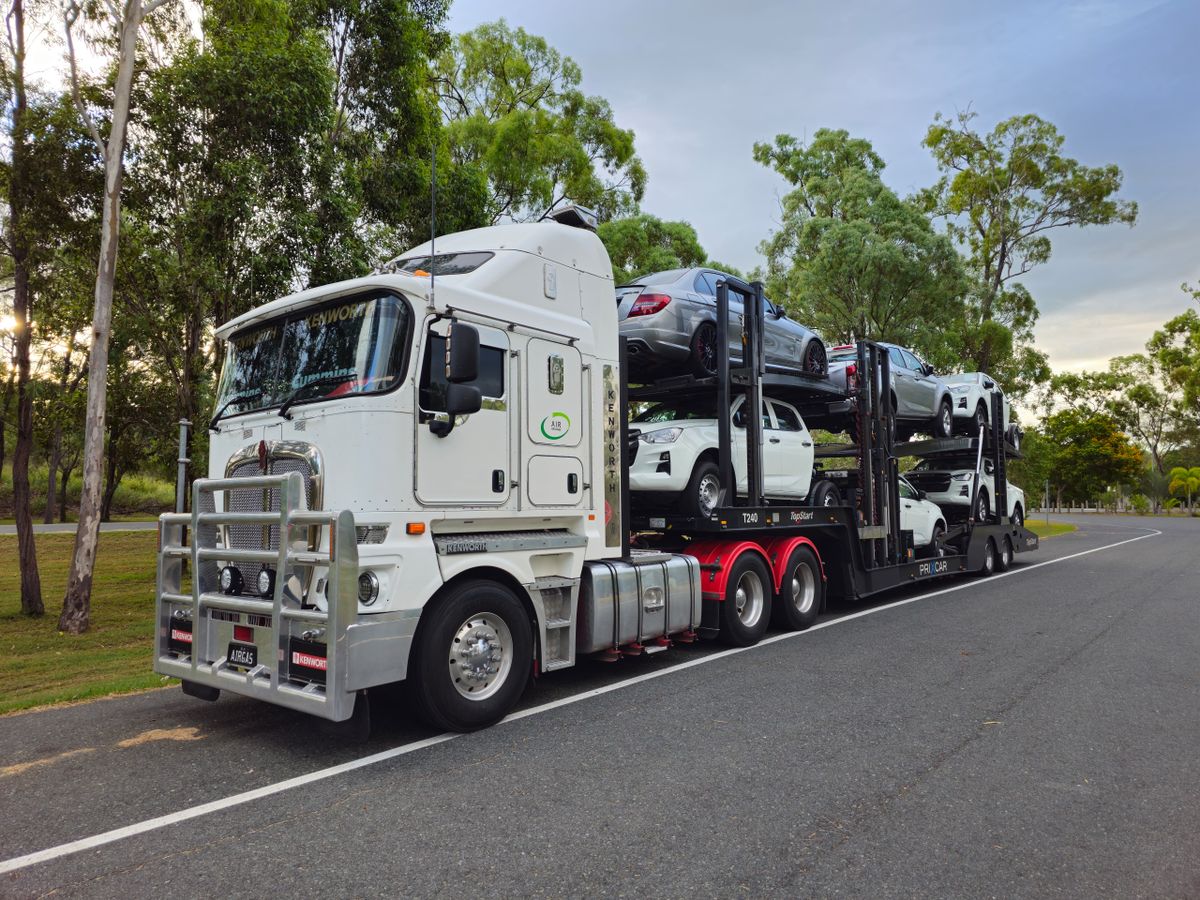
Open carriers are the large multi-level trailers you see on the highway loaded with six to ten cars. They are open to the elements, which sounds worse than it is in practice. Your vehicle is secured with wheel straps, not chains, and the carrier driver inspects every vehicle before and after loading.
The main exposure risks on an open carrier are road debris kicked up by passing trucks and weather during transit. In the overwhelming majority of shipments, neither causes any damage. When damage does happen, the carrier’s cargo insurance covers it.
Open transport typical cost: Standard baseline — most routes, most vehicles.
How Enclosed Transport Works
Enclosed carriers haul fewer vehicles per load — typically two to six — inside a fully covered trailer. The interior protects vehicles from weather, road debris, and dust. Many enclosed carriers use soft-tie systems instead of wheel straps, which reduces the risk of any contact with the vehicle during loading or unloading.
Because enclosed trailers hold fewer cars and cost more to operate, they command a higher rate. Most customers shipping this way own vehicles where a single paint scratch would mean a body shop visit, and that is exactly the scenario enclosed transport is designed to prevent.
Enclosed transport typical cost: 40 to 60 percent more than open on the same route.
What That Premium Actually Buys You
- Protection from weather, rain, hail, and road spray during transit
- No exposure to highway debris or dust accumulation
- Soft-tie loading systems on most enclosed carriers
- Higher insurance limits — enclosed carriers often carry coverage up to $1 million per load
- Fewer vehicles per load means more attention to each one at pickup and delivery
- Privacy — no one can see what you are shipping
When Open Transport Makes Sense
For most shipments, open transport is the practical choice. Consider it when:
- Your vehicle is a daily driver or a standard production car
- You need the fastest available pickup window — far more open carriers operate on any given route
- You are working with a budget and want the best value for the distance
- Your vehicle is newer, under $40,000, and has no custom modifications
When Enclosed Transport Is Worth It
The premium makes sense when the cost of potential cosmetic damage exceeds the difference in transport price. That calculation usually tips toward enclosed when you are shipping:
- Classic or collector vehicles — where paint condition directly affects value
- Luxury cars over $70,000 (Porsche, Ferrari, Lamborghini, Bentley, Rolls-Royce, etc.)
- Show cars or recently restored vehicles
- Custom or modified cars with non-standard paint, body kits, or aftermarket parts
- Any vehicle you would not want exposed to a week of highway driving weather
A Practical Example
Shipping a 2021 Honda Pilot from New York to Florida on open transport costs roughly $900 to $1,100. The same shipment on an enclosed carrier would run $1,300 to $1,600. For a Honda Pilot, that extra $400 to $600 does not change the risk equation in any meaningful way. Open transport is the sensible choice.
Now change the vehicle to a 1967 Ford Mustang Fastback that just came out of a two-year restoration. Open transport is still possible, but the owner is right to think carefully about the exposure. Here, enclosed transport is worth the premium.
Insurance Either Way
Both open and enclosed carriers are required by federal law to carry cargo insurance. Before booking either option, ask for a certificate of insurance and confirm the coverage limit. If you own a vehicle worth significantly more than the carrier’s standard coverage, consider supplementing with your personal auto policy during transit — most policies will cover this with a call to your agent.
Not Sure Which to Choose?
Tell us what you are shipping and we will give you an honest recommendation. We are not trying to upsell you on enclosed transport if open makes more sense for your vehicle. Our job is to get your car there in the same condition it left.