"Fully insured" in enclosed car transport means the carrier holds cargo insurance covering physical damage caused during transit — not pre-existing conditions, mechanical issues, or personal items. Deductibles typically range from $1,000 to $5,000, so minor damage may fall below the threshold. Document your vehicle's condition with photos before pickup and review the Bill of Lading carefully at both ends to protect your claim rights.
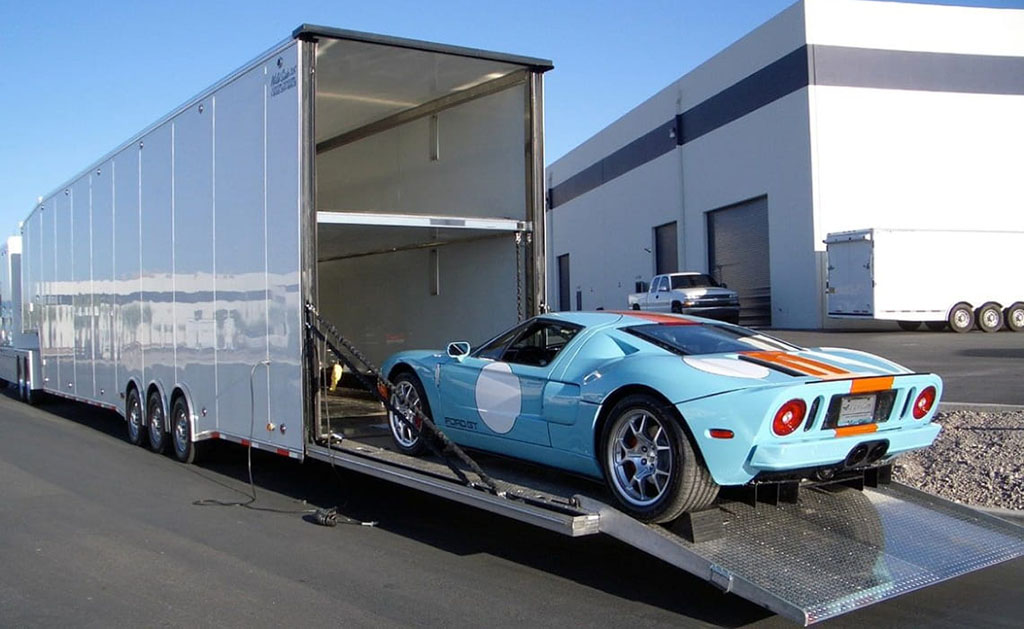
"Fully insured" is printed on nearly every auto transport website. Customers booking enclosed car transport for a high-value vehicle often assume it means they're completely protected against any outcome. The reality is more specific — and understanding the details matters before your vehicle is loaded onto a trailer.
What Does Cargo Insurance Actually Cover?
Cargo insurance in auto transport covers physical damage to your vehicle caused directly by the carrier during transit — things like a vehicle shifting on the trailer due to inadequate tie-downs, damage from a road accident involving the carrier's truck, or weather events that damage an improperly secured load. It is carrier-side insurance that protects against the carrier's own negligence or an accident during movement.
What it does not cover: pre-existing damage, mechanical failure that develops during transport (engine, transmission), interior items left in the vehicle, or damage caused by events outside the carrier's control that aren't documented as part of a formal claim.
Cargo insurance covers what the carrier did to your car. It does not cover what was already wrong with it before the trailer door closed.
What Are Typical Deductibles on Carrier Cargo Insurance?
This is where most customers get a surprise. Carrier cargo policies in the auto transport industry frequently carry deductibles of $1,000 to $2,500 per occurrence. Some carriers — particularly smaller operators — carry policies with deductibles as high as $5,000. This means if a door ding or minor bumper scuff occurs during transport and the repair estimate is $800, the carrier's insurance pays nothing because the damage falls below the deductible.
For enclosed transport specifically, where most customers are shipping luxury or classic vehicles, the stakes are higher. A deductible gap on a $3,000 paint correction is a meaningful out-of-pocket exposure.
How Does a Damage Claim Actually Get Filed?
The process starts at delivery. When your vehicle is unloaded, you and the driver conduct a joint inspection using a Bill of Lading — a condition report that documents the vehicle's state at pickup and again at delivery. Any damage that was not noted at pickup must be documented on the delivery Bill of Lading at the moment of delivery, with your signature indicating the discrepancy. Waiting until after the driver leaves significantly complicates any claim.
Once damage is noted and documented, you submit a written claim directly to the carrier (not the broker) with the Bill of Lading, photos taken at both ends of transport, and a repair estimate from a licensed body shop. The carrier then files with their insurance provider. Turnaround on claims varies widely — from two weeks to several months depending on the carrier's insurer and the complexity of the damage.
Does the Broker's Insurance Cover Anything?
Brokers are not carriers. They do not hold cargo insurance on your vehicle — they connect you to a carrier who does. A broker's own errors-and-omissions or general liability policy covers their business conduct, not your vehicle. If a broker tells you that their "insurance" covers your car during transport, ask them to specify: is it the broker's policy or the assigned carrier's cargo policy? The answer matters significantly.
That said, a good broker will vet the carriers they dispatch on your behalf for insurance minimums and help facilitate a claim if something goes wrong. Ask your broker what their carrier vetting criteria include for cargo coverage limits.
What Should You Do Before Your Car Is Loaded?
Take time-stamped photos of every panel, the undercarriage, the glass, and the interior before the carrier arrives. Do this yourself; don't rely only on the driver's inspection report. When the driver completes the pickup Bill of Lading, review it carefully and note any pre-existing condition the driver may have missed. Your signature on the pickup Bill of Lading is the baseline — it defines what "pre-existing" means for any future claim.
Frequently Asked Questions
What is the minimum cargo insurance I should require for enclosed transport? For a vehicle worth $50,000 or more, require at minimum $100,000 in cargo coverage per occurrence from the assigned carrier, and ask specifically about the deductible amount before booking.
Does my personal auto insurance cover damage during transport? Some personal auto policies include transport coverage as part of comprehensive, but coverage limits and exclusions vary significantly by insurer. Call your insurance agent before shipment to confirm.
What happens if the carrier has no insurance or lapses? Reputable brokers verify carrier insurance at the time of dispatch through FMCSA records. If a carrier's policy lapses mid-transport, liability becomes a legal matter. This is a key reason to work only with carriers and brokers who carry active FMCSA registrations.