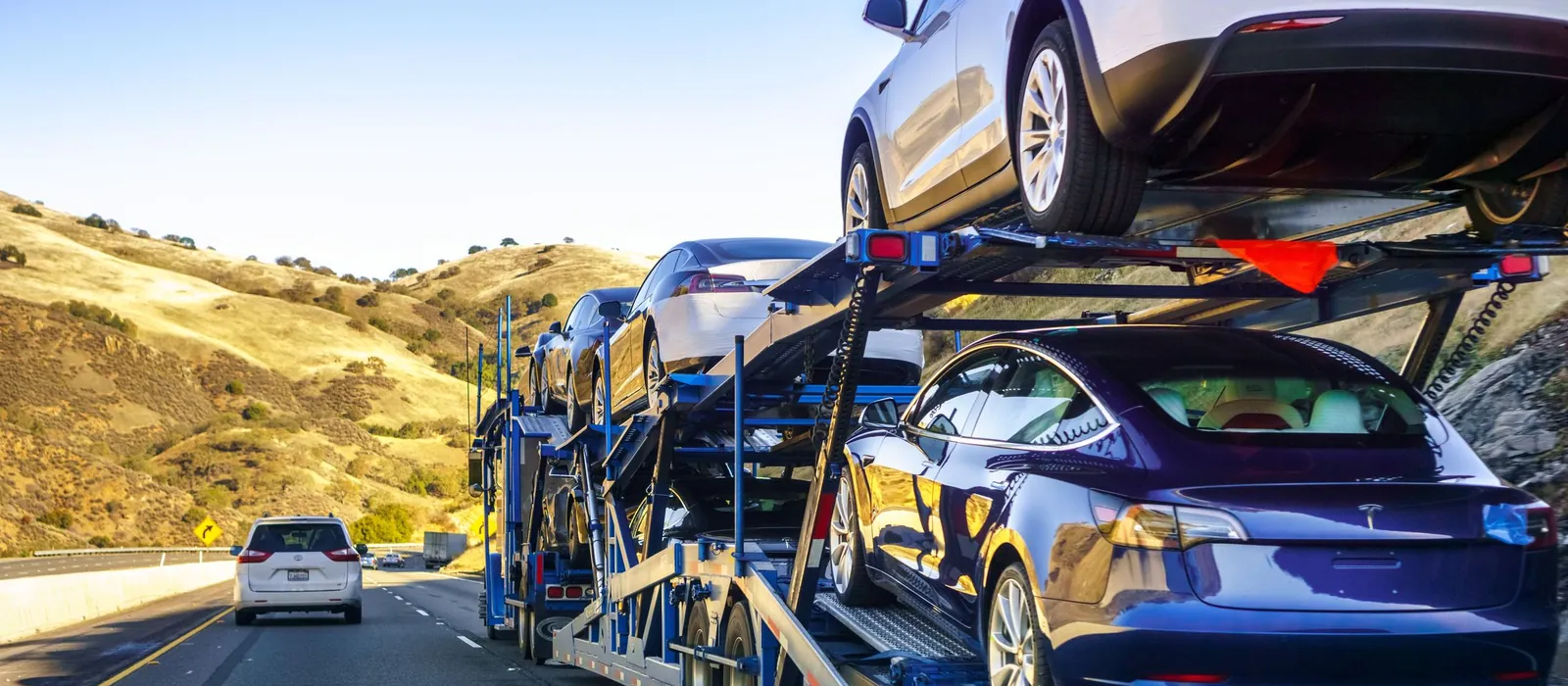
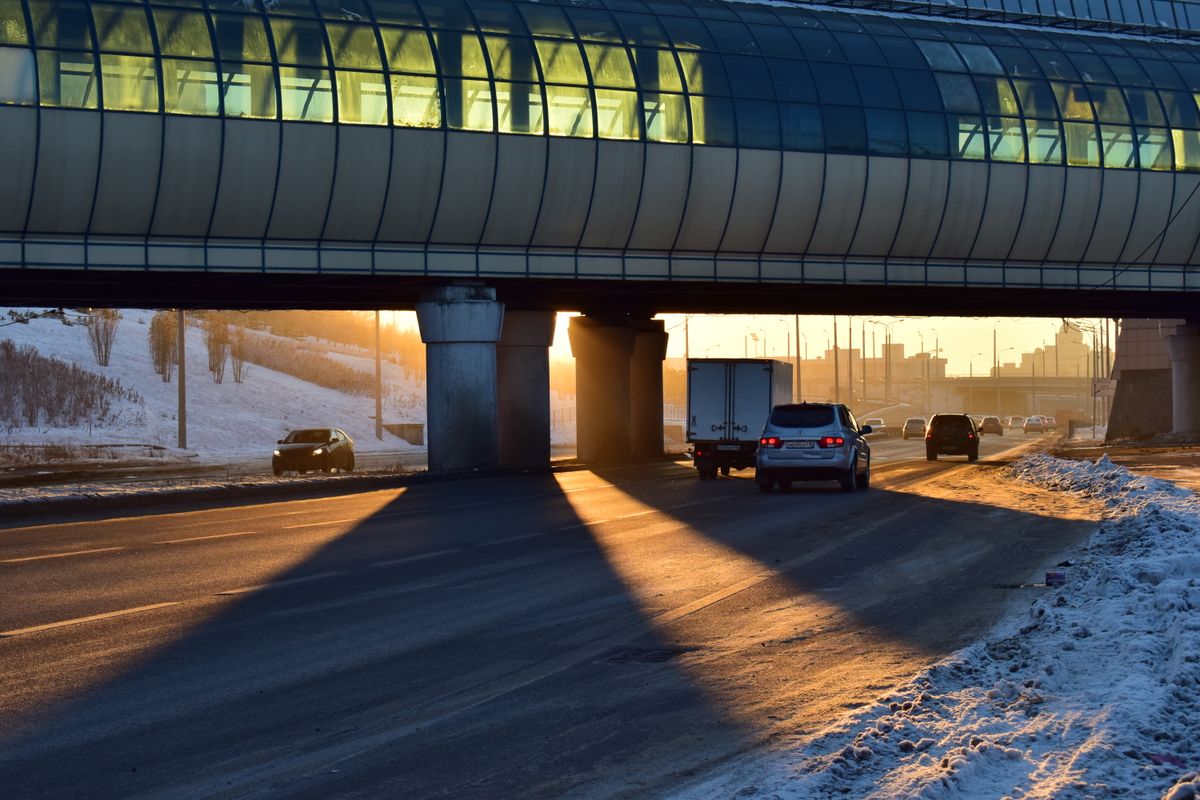
Winter car shipping works fine, but add two to four extra days on northern and mountain routes. Prices are usually not higher in winter; the real risk is timing around storms and the holidays.

Shipping a car in winter works fine, but expect added transit time on northern and mountain routes, because drivers slow down or reroute when snow and ice close highways. Pricing is not the problem, since third-party market guides show rates peak in spring and summer, so the real winter question is timing, not cost.
Thanksgiving is Thursday, November 26, and the weeks around it and the December holidays are when delays stack up. This guide explains where winter weather actually causes problems, how to set up a pickup that survives a storm, and what to do to the car before it loads.

Does winter change the price?
Usually less than people expect. Industry cost guides say car shipping prices are highest in spring and summer and rise whenever demand spikes, and they do not describe winter as a premium season. For a standard sedan on an open carrier, market totals run about $600 to $700 for 500 miles, $650 to $800 for 1,000 miles, and $1,200 to $1,400 for 2,000 miles. These are benchmarks, not a quote; request a free quote for your route.
The exception is direction. Southbound lanes into Florida and Arizona stay busy from October through December because of snowbird demand, so a Chicago to Orlando quote behaves differently from an Orlando to Chicago quote. Northbound winter routes tend to have more available truck space, while southbound ones fill quickly. Our snowbird shipping guide covers those lanes.
Where winter weather actually causes delays
Carriers do not stop moving in winter, but a handful of corridors are well known for closures and slowdowns:
- I-80 across Wyoming and Nebraska. High wind and ice close long stretches several times a winter. Many drivers shift to a more southern route when forecasts turn, which adds miles and days.
- I-80 over the Sierra Nevada near Lake Tahoe. Chain controls and temporary closures are routine during storms. California to Nevada and California to the Midwest runs are the most affected.
- I-70 through the Colorado Rockies. Mountain grades and storms slow or close traffic, which touches Denver to Salt Lake City and any cross-country route using this highway.
- I-90 and I-81 in the Great Lakes and Northeast. Lake-effect snow around Buffalo, Cleveland, and Erie, and heavy snowfall in upstate New York, can hold trucks for a day or more.
- I-65 and I-75 through Kentucky and Tennessee. Ice storms are less frequent but disruptive because the region is less equipped for them, which matters for Midwest to Florida snowbird runs.
Southern and Sun Belt routes, such as Texas to Georgia or Florida to the Carolinas, rarely see weather delays, so shipping within or between warm states in winter is typically close to normal speed.
The Thanksgiving and December effect
The holiday week slows the industry in two ways. Many independent drivers go home, which reduces available trucks, and dealer and auction pickups pause. With Thanksgiving only days away, a delivery before the holiday is unlikely for a new request. If you can wait, a pickup after the first week of December usually moves more smoothly than the days right before Christmas.
Pickup and delivery windows are estimates, not guarantees, in every season, and that is especially true in winter. A carrier cannot legally or safely run through a closure, so build a buffer of two to four extra days for any trip that crosses a northern or mountain corridor.
How to set up a winter pickup
- Offer a wide pickup window. Three to five days gives your coordinator room to route around a storm instead of cancelling.
- Choose the route, not just the cities. If you control either endpoint, ask whether a southern routing is faster in the current forecast.
- Clear the loading spot. Drivers cannot load a car blocked by a snowbank. Plow or shovel a path and tell us if the street is narrow or icy.
- Consider an enclosed carrier for premium vehicles. It shields the car from road salt, slush, and debris, which matters on long northern runs. See enclosed auto transport and compare with open transport.
- Stay reachable. Keep your phone on the day before pickup. Last-minute weather adjustments are common.
Prepare the vehicle
Keep the fuel tank about a quarter full, which is the common guideline for transport. Confirm the battery is healthy, since cold shortens battery life and a car that will not start slows loading. Check antifreeze and tire pressure. Remove anything attached to the exterior, such as roof racks or ski boxes, and take dated photos of every side after you wash the car, because road film can hide scratches.
What to expect on transit time
Without weather, a 1,400-mile open-carrier route such as Michigan to Florida takes about three days. Add a day or two through snowy corridors. Cross-country runs over 2,000 miles commonly take a week or more, and winter can add several days. Ask for the current expected window instead of relying on the summer estimate. For a northern example, see New York to Illinois or Illinois to Arizona.
Why work with a licensed broker
Winter is when a broker earns its fee. American Auto Link is FMCSA-licensed (USDOT 4182533, MC 1610585) and works with vetted carriers whose insurance we check before booking, so if a truck is held by a storm we can look at reassigning your vehicle to another driver on the lane instead of leaving it waiting. You can confirm our registration on the FMCSA site.
Frequently asked questions
Is it safe to ship a car in winter?
Yes. Licensed carriers carry cargo insurance and run all winter. The main risk is delay from closures, not damage, and an enclosed carrier reduces exposure to salt and slush.
Does car shipping cost more in winter?
Generally no. Market guides show the highest prices in spring and summer. The exception is southbound snowbird lanes, which stay busy from October through December.
How much extra time should I allow for snow?
Allow two to four extra days on routes that cross northern or mountain corridors, such as I-80, I-70, or the Great Lakes. Warm-state routes usually need little or no buffer.
Will Thanksgiving delay my delivery?
It can. Many drivers are off the road around the holiday, so plan for the first week of December or later if your timing is flexible.
Can a driver load my car if my street is icy?
Only if the truck can reach it safely. Clear the loading area, and tell us if the driver may need to meet you at a nearby parking lot.
Should I choose open or enclosed in winter?
Open is fine for most daily drivers. Enclosed is worth considering for classic, luxury, or low-clearance cars, especially on long northern routes where road salt is heavy.